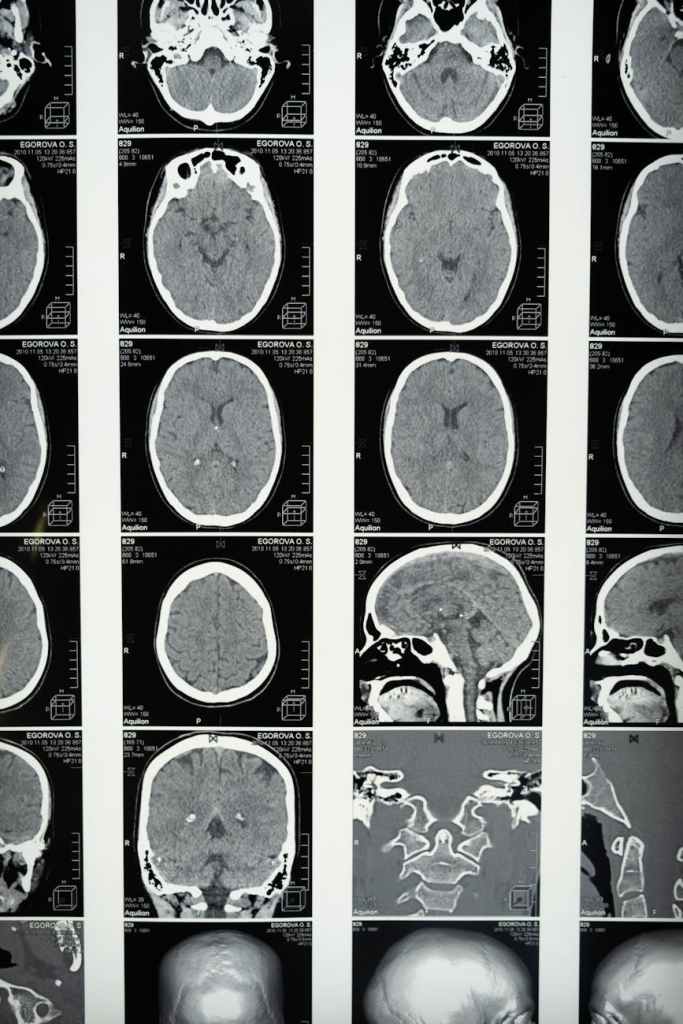
Trauma has a way of leaving its mark, not just in your memories but in the way your brain and body work every day. These changes can feel confusing or overwhelming, but understanding them is a powerful first step toward healing. Let us explore some distinct ways trauma affects you and what might look like in your life.
Your alarm system becomes overactive
After trauma, your brain’s amygdala, the part responsible for detecting threats goes into overdrive. It starts treating everything as a potential danger, even things that used to feel safe.
This can make you feel constantly on edge, jumpy, or like your body is braced for something bad to happen. Even small triggers, like a sudden noise or a crowded room, can feel overwhelming. It is as if your alarm system is stuck in the “on” position, keeping you in survival mode.
Your memory feels unpredictable
Trauma can interfere with the hippocampus, the part of your brain that organizes and stores memories. This is why you might have trouble recalling what happened during the traumatic event, or why certain memories seem to come out of nowhere, as vivid as the day they occurred.
This disconnect can feel disorienting, like your brain isn’t on your side. It can also make it hard to trust your sense of time and reality, leaving you unsure of where the trauma ends and the present begins.
Source: https://adaa.org/learn-from-us/from-the-experts/blog-
posts/consumer/ways-trauma-changes-your-brain-and-body
 Rewa Trust
Leave a comment